
How to Become a Nurse Leader in Florida

While nurses play an important role of evaluating and caring for patients, the role of a nurse leader requires expertise at both the patient and organizational level.
Nurse leaders may handle a variety of responsibilities that help healthcare teams and organizations run smoothly and effectively, from supervising nursing staff within a particular unit or department to assisting with more administrative tasks like workforce development, policy creation, regulatory compliance, and quality assurance.
If you want to become a nurse leader in Florida, you’ll have to put in the work and follow certain steps. But before exploring these steps, it helps to understand what common nurse leadership roles look like.
What Kinds of Nurse Leadership Roles Are Available?
Nurse leadership roles can vary significantly depending on the level of responsibility, the work environment, and whether the position is more clinically or administratively focused. Some nurse leaders work closely with patients and bedside staff every day while others operate at the executive level, helping guide the overall direction of a healthcare organization.
Nurse leadership roles include:
- Charge nurse
- Nurse supervisor
- Nurse manager
- Clinical nurse leader (CNL)
- Nurse administrator
- Director of nursing (DON)
- Chief nurse executive (CNE)
- Chief nursing officer (CNO)
Leadership can also happen outside of formal titles. Nurses often develop leadership experience by serving as mentors or preceptors, joining committees within their organizations, or contributing to conversations around healthcare policy and patient advocacy.
Now that you understand the many different forms nurse leadership can take, it’s time to explore the steps for becoming a nurse leader in Florida.
Step 1: Become a Licensed RN in Florida
The path to nurse leadership starts with becoming a registered nurse. The requirements for getting licensed as an RN in Florida include:
- Obtain a degree from an accredited and approved nursing program, which is typically an associate degree in nursing (ADN) or a bachelor of science in nursing (BSN)
- Earn a passing score on the National Council Licensure Examination (NCLEX-RN)
- Pass a background check and complete electronic fingerprinting
- Submit an application for licensure with the Florida Board of Nursing and pay the required fee
With Florida’s large and growing population, including one of the nation’s largest older adult populations (by percentage), there is a great need for skilled nurses across hospitals, outpatient settings, rehabilitation centers, and long-term care facilities.
Step 2: Build Up Your Clinical Experience
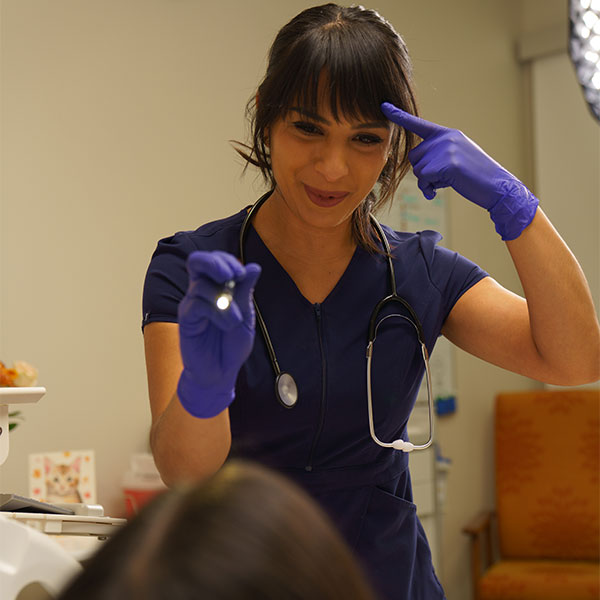
You can’t effectively lead other nurses without a strong foundation of experience. Working as an RN gives you direct exposure to clinical workflows, interdisciplinary collaboration, patient needs, and the challenges nurses manage every day.
This practical experience helps future nurse leaders to understand how healthcare teams function, spot gaps in patient care, and identify potential improvements.
Step 3: Pursue Advanced Education in Nurse Leadership
After gaining professional experience, many nurses choose to continue their education with a program focused on leadership. A common next step is earning a Master of Science in Nursing (MSN) with a nurse leadership concentration.
Depending on your educational background, there may be several potential pathways available, including:
- RN to MSN programs for nurses who do not yet hold a bachelor’s degree
- MSN programs for BSN-prepared nurses
- Post-master’s certificate programs for nurses who already hold a graduate degree
- Doctor of Nursing Practice (DNP) programs for those interested in executive leadership, systems-level improvement, or healthcare policy
Advanced education can help develop skills in organizational leadership, healthcare finance, strategic planning, quality improvement, and population health.
Step 4: Consider Nurse Leadership Certification
Certification is not always required, but it can strengthen your credentials and may be preferred for certain nurse leadership positions.
Common certifications for nurse leaders include:
- Clinical Nurse Leader (CNL) from the American Association of Colleges of Nursing (AACN)
- Certified Nurse Manager and Leader (CNML) from the American Organization for Nursing Leadership (AONL)
- Certified in Executive Nursing Practice (CENP) from AONL
- Nurse Executive Board Certified (NE-BC) from the American Nurses Credentialing Center (ANCC)
Certification requirements vary, but they often include previous professional experience, educational eligibility, and a passing score on a certification exam. Most certifications also require renewal every few years.
Step 5: Apply for Leadership Opportunities
Once you have developed the right mix of education, clinical experience, and leadership preparation, you can begin pursuing nurse leadership positions.
Professional networking can be especially valuable. Connections made through employers, professional associations, graduate programs, and mentors can often help identify opportunities and support career advancement. Some nurse leadership programs (such as those at West Coast University) provide alumni with career support services that can assist you in your search.
Begin Your Educational Journey at WCU
Becoming a nurse leader in Florida is a career path built on clinical experience, continued education, and a commitment to improving healthcare systems. Whether your goal is managing a unit, leading organizational change, or moving into an executive role, developing strong leadership skills can position you to make a meaningful impact on patients, colleagues, and communities.
If you’re serious about becoming a nurse leader, it’s time to embark on your educational journey. West Coast University has a variety of nursing and nurse leader programs for whichever stage you’re in.
If you’re still on your way to becoming an RN, you may want to explore the ADN program or BSN program at WCU’s Miami campus. Or, if you’re ready for education at the graduate level, you can explore WCU’s online programs: RN to MSN, MSN, Post-Master’s Certificate with a focus on nurse leadership. There is also an online DNP program available at WCU.
Click on the link for your program of interest and learn how WCU can help you achieve your goals.

Request Info
- Flexible online and campus programs
- 65,000 alumni across the globe
- Experienced faculty and staff
 Call
Call Info Session