
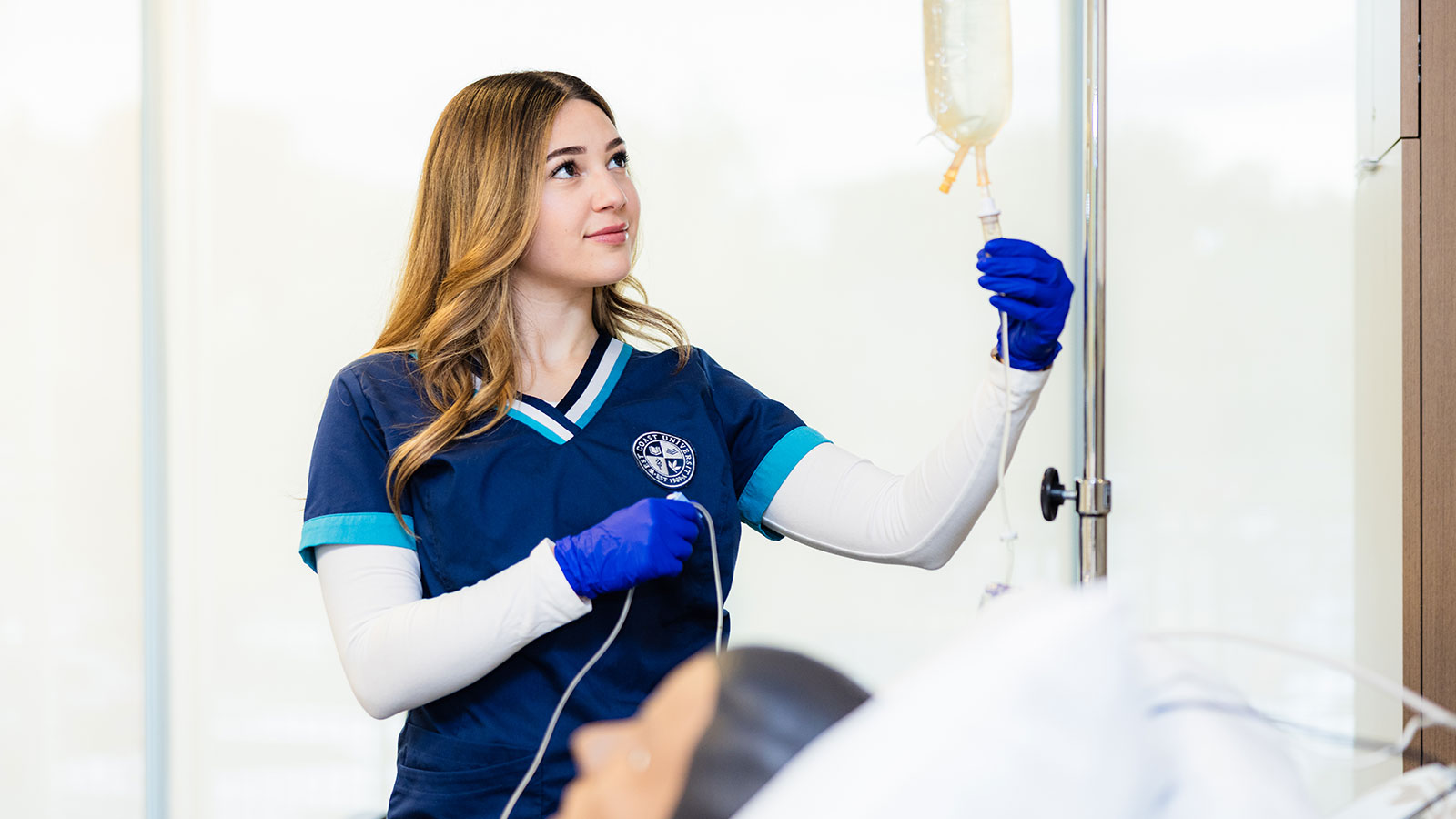
You’ve done the research. You’ve applied and been accepted. You’re ready to start nursing school. Then you find out there’s a waitlist.
For thousands of aspiring nurses across the country, this is a familiar and frustrating reality. Nursing program waitlists have become one of the biggest barriers between prospective students and their healthcare careers, even as hospitals and clinics report ongoing staffing shortages.
If you’re considering nursing school—especially in Florida—understanding the waitlist landscape can help you make a more informed decision about where and when to apply. Here’s what you should know.
What Are Nursing School Waitlists?
A nursing school waitlist is exactly what it sounds like: a queue of qualified applicants who have been conditionally accepted, but who cannot begin classes because the program doesn’t have enough seats available. Unlike a rejection, being waitlisted doesn’t mean you haven’t met the academic requirements. It just means the program doesn’t have space for you right now.
Some programs maintain formal waitlists, where your application is kept on file and put in an admissions queue. Others require you to reapply entirely for the next admission cycle. Either way, the result is the same: your education is on hold. Sometimes students are waitlisted for a semester, but sometimes waitlists can be years long.
How Waitlists Can Affect Your Nursing Career Path
Being placed on a waitlist can have real consequences that go well beyond a delayed start date. The financial impact is often the most immediate concern. Students who planned to leave a job or reduce their hours to pursue their nursing degree may find themselves in limbo, unable to commit fully to work or school. Prerequisite courses can expire while waiting, requiring students to retake classes at additional cost.
Then there’s the emotional toll. According to research published in the National Library of Medicine, the nursing faculty shortage—a primary driver of limited program capacity—directly affects the student experience, creating uncertainty and stress for applicants who have already invested time and money in their nursing education.
Every semester spent waiting is a semester not spent developing clinical skills, building professional relationships, or working toward licensure. For career-changers and working adults, that time can feel especially costly—and it may mean the difference between starting a new chapter and staying stuck in a role that no longer fits.
The National Waitlist Situation: Scope and Causes
The waitlist problem is not unique to any single school or state—it’s a national issue with deep structural roots. According to the American Association of Colleges of Nursing (AACN), nursing schools turned away 65,766 qualified applications in 2024 due to a lack of class seats. The gap between applicant demand and available seats has been widening for years.
Several factors contribute to this bottleneck:
Faculty shortages. This is the single biggest constraint. Nursing programs can only admit as many students as their faculty can teach and supervise. The AACN reports nearly 2,000 full-time faculty vacancies at nursing schools nationwide. A key driver is the salary gap between educators and advance practice nurses. Many experienced nurses who could teach choose to stay in practice, where the pay is significantly higher.
Limited clinical placements. Nursing education requires extensive clinical rotations, and those rotations depend on partnerships with hospitals, clinics, and other healthcare facilities. As The Hechinger Report noted, these facilities have limited capacity to train students, and preceptors—the clinical professionals who supervise student nurses—are in short supply. State nursing boards often set strict student-to-preceptor ratios that further constrain available slots.
Infrastructure and budget limitations. Expanding a nursing program isn’t as simple as adding desks to a lecture hall. Programs require simulation labs, specialized equipment, and qualified staff to run them. Many schools, particularly public institutions, operate under tight budget constraints that make expansion difficult. As CNN reported, even well-funded programs face challenges scaling up to meet demand.
The result is a paradox: the healthcare industry is short-staffed and actively seeking nurses, yet tens of thousands of motivated, qualified students can’t get into programs to begin their training.
What the Waitlist Situation Looks Like in Florida
Florida faces its own version of this challenge. According to the Florida Hospital Association (FHA), the state’s hospitals reported a registered nurse vacancy rate of 9.6% as of 2025—down from 13% in 2022, but still representing more than 16,000 unfilled nursing positions statewide. FHA’s most recent workforce projections indicate Florida could face a shortage of 59,100 RNs and LPNs by 2035. (PDF, p. 22)
Many of the same national factors—faculty shortages, limited clinical sites, and budget constraints—affect Florida nursing programs, too. Several schools in the Miami and Broward County area typically run competitive admissions cycles, meaning applicants who aren’t selected must reapply for the next cycle or try to gain admission as transfer students. This means students may wait multiple semesters (and have to make multiple applications) before earning a spot.
How WCU-Miami Helps You Avoid the Waitlist
West Coast University’s Miami campus takes a different approach. WCU-Miami’s nursing programs operate with no waitlist, so qualified students can start their education without sitting in a queue for months or years.
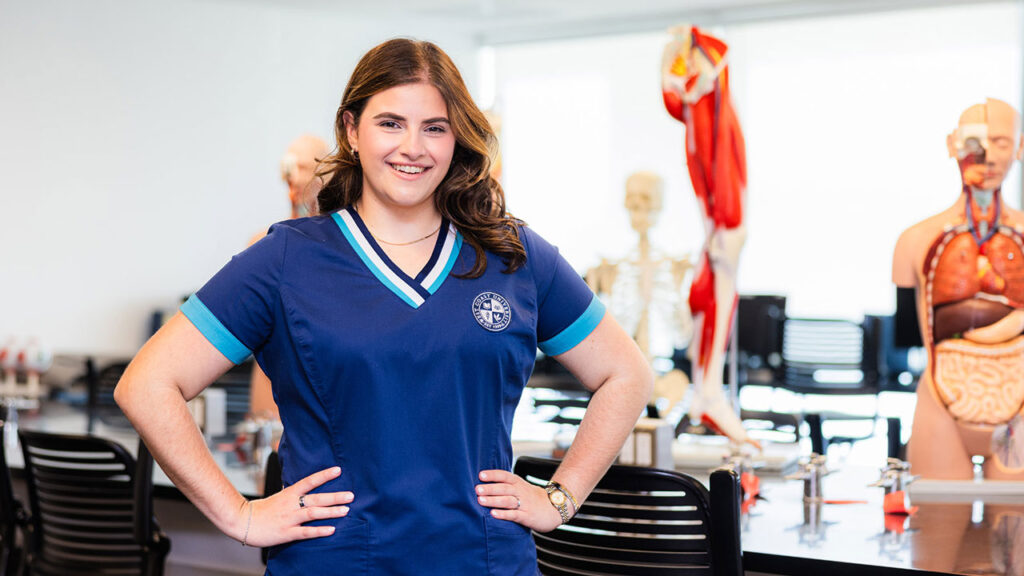
That commitment to access is backed by carefully designed courses with exceptional training facilities. WCU-Miami features SSH-accredited simulation labs equipped with high-fidelity manikins—specialized healthcare education tools that realistically model a variety of medical scenarios. These labs give students the chance to develop hands-on clinical skills and confidence before entering a hospital setting.
WCU-Miami also offers multiple program paces for our Bachelor of Science in Nursing program, so you can find a schedule that fits your life. Whether you’re looking at an accelerated timeline or need a schedule that works around existing commitments, the goal is the same: helping you move forward on your terms, not on a waitlist’s timeline.
Classes are starting soon. If you’re ready to take the next step, request information about WCU-Miami’s nursing programs to learn more about how to get started.
Additional Reading:
- American Association of Colleges of Nursing (AACN), “Nursing Faculty Shortage Fact Sheet.”
- CNN Business, “Nursing schools are turning away thousands of applicants during a major nursing shortage.”
- The Hechinger Report, “Nurses are in high demand but nursing schools struggle to provide enough slots to train them.”
WCU provides career guidance and assistance but cannot guarantee employment. The views and opinions expressed are those of the individuals and do not necessarily reflect the beliefs or position of the school or of any instructor or student.


 Call
Call Info Session